Stephen King Seeks Control Over The Shawshank Redemption
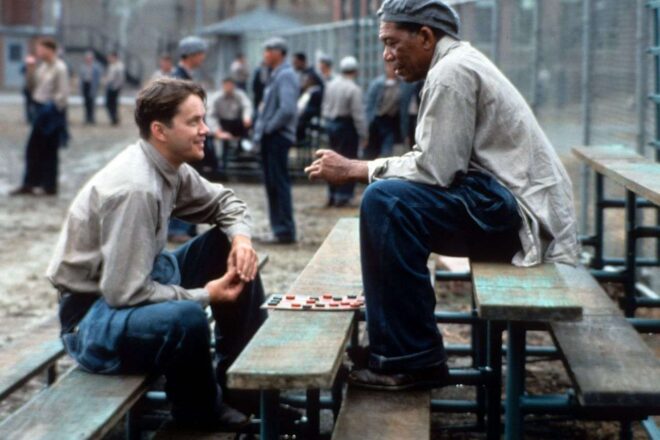
Castle Rock Entertainment / PR-ADN
Bestselling author Stephen King has expressed a desire to regain creative control over The Shawshank Redemption, the acclaimed film adaptation of his novella. King’s interest comes as the story continues to captivate audiences worldwide.
TL;DR
- Stephen King seeks to reclaim rights for The Shawshank Redemption.
- Warner Bros. faces remake or negotiation to retain franchise.
- Legal battle highlights growing importance of creative control.
A Legal Struggle Over a Cinematic Legend
After years spent haunting the public imagination, Stephen King—notorious for his scrupulous management of intellectual property—has ignited a fresh controversy in Hollywood. The author has moved to regain the rights to one of cinema’s most revered works: The Shawshank Redemption. Adapted in 1994 by director Frank Darabont, this prison drama remains an enduring favorite among critics and audiences alike. But beyond its legendary status, the film now sits at the center of a legal standoff with implications that could ripple across the industry.
The Complex Web of Copyright Law
Recently, reporting from Puck revealed that King is invoking his right under the American “Copyright Termination” provision. This rarely discussed but powerful mechanism allows creators to reclaim control over their work after 35 years—a move that has caused notable turbulence in Hollywood before. For instance, disputes surrounding the Friday the 13th franchise left its iconic character, Jason Voorhees, mired in legal uncertainty for years as studios and rights holders failed to reach consensus.
King’s case is hardly an exception. With a reputation for closely monitoring both the financial and artistic exploitation of his catalog, he has previously renegotiated deals or halted projects he felt misaligned with his vision.
Pivotal Choices for Warner Bros.
With these developments unfolding, Warner Bros. Pictures, current owner of Shawshank’s rights following its acquisition of Castle Rock Entertainment in 1996, faces two distinct paths. Several factors explain this decision:
- Pursuing an expedited remake or reboot—an approach previously used by Paramount to protect rights to Pet Sematary.
- Entering into direct negotiations with Stephen King for a new agreement, sidestepping risky production efforts.
Should negotiations stall, King could seize full authority over future adaptations—opening doors for streaming series pitches or even preserving the film’s legacy untouched.
The Stakes for Cinema’s Legacy
This contest over The Shawshank Redemption’s fate raises thorny questions: should anyone tinker with a film so beloved? The debate splits fans and insiders alike. Yet what is undeniable is how fiercely creative and commercial control now shape decision-making around classic works—especially those penned by heavyweights like Stephen King.