The Acolyte’s Shoto Lightsaber: Game-Changer for Jedi Duels
Disney / PR-ADN
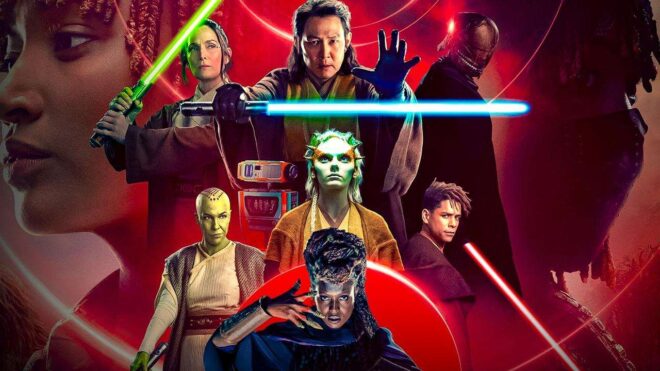
The Acolyte introduces the "shoto," a shorter lightsaber, marking a significant shift in Jedi combat techniques. This innovation promises to reshape traditional dueling strategies within the Star Wars universe, offering fresh dynamics for both characters and viewers.
TL;DR
- The Acolyte introduced lightweight, innovative lightsabers.
- Showrunner Leslye Headland pushed for technical and visual changes.
- The future of these innovations in Star Wars remains uncertain.
Reimagining Lightsaber Battles: The Acolyte’s Technical Leap
Despite only lasting a single season, Star Wars: The Acolyte has already left a mark by attempting to push the boundaries of the franchise—especially in its depiction of lightsaber combat. While audience response proved divisive and ultimately led to the show’s early cancellation, few dispute the exceptional quality of its fight sequences. The standout duel featuring Manny Jacinto as the Stranger drew particular praise for its choreography, setting a new standard within the saga.
Showrunner’s Vision Reshapes Iconic Weaponry
The series’ remarkable action sequences owe much to the vision of showrunner Leslye Headland. On the podcast Blank Check With Griffin and David, Headland explained her insistence on radical changes to the traditional lightsaber props. She demanded significantly lighter versions—so light they sparked skepticism from technical teams—and even requested an innovative mechanism enabling actors to draw a “shoto,” or short saber, from their main weapon. This drive for agility was not solely aesthetic; Headland wanted each beam to cast light onto actors’ faces, aiming for heightened realism and immersion during duels.
A Narrative Logic Behind Innovation
Headland’s approach wasn’t merely about flashy visuals or props. Set during the era of the High Republic—a time depicted as a golden age for the Jedi—these lightweight sabers were meant to embody the superior skill and agility of Force users at their peak. By equipping actors with ultralight replicas, Headland strove to visually reinforce this narrative point. Several factors explain this decision:
- The introduction of the shoto enriches Star Wars’ legendary arsenal.
- Lighter weapons make extraordinary Jedi abilities more believable.
- The real-life weight can highlight character differences on-screen.
An Uncertain Path Forward for Lightsaber Evolution
Yet despite these advances, it remains unclear whether such innovations will persist in future entries under the Star Wars banner. As Lucasfilm reflects on mixed reactions to The Acolyte and wraps up its exploration of the High Republic period, hesitancy lingers about integrating these changes into new projects. Perhaps a future film like Star Wars: New Jedi Order, rumored to feature Rey years after Skywalker’s fall, could revisit and refine these groundbreaking concepts. For now, these technical gambles highlight an ongoing tension within Star Wars—a franchise ever balancing respect for tradition with a hunger for reinvention.