Who Really Directed The Nightmare Before Christmas? Not Tim Burton
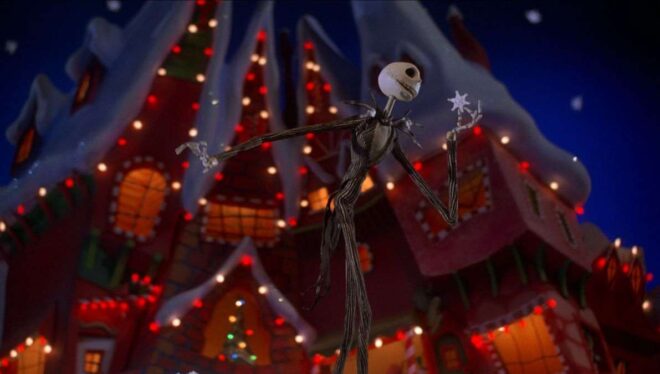
Touchstone Pictures / PR-ADN
Although Tim Burton’s name is closely associated with The Nightmare Before Christmas, he was not the film’s actual director. The creative vision behind this iconic stop-motion animation was brought to life by someone else.
TL;DR
- Henry Selick, not Tim Burton, directed the film.
- Tim Burton created the original concept and visuals.
- The marketing decision emphasized Burton’s name for commercial appeal.
A Collaboration That Defined a Genre
In the landscape of animated cinema, few titles ignite as much debate about authorship as L’Étrange Noël de Monsieur Jack, known internationally as The Nightmare Before Christmas. At its heart, this cult classic is shaped by the visionary imagination of Tim Burton and the meticulous craftsmanship of director Henry Selick. While Burton’s name is emblazoned on the title, it was Selick who piloted the production from storyboard to final frame—an often-overlooked reality behind this modern masterpiece.
The Genesis: From Poem to Project
The story began in 1982 when a young Tim Burton, then working at Disney, penned a quirky poem accompanied by character sketches featuring his signature scribbled style, lanky skeletons, and crooked architecture. These early concepts captivated Disney executives, setting the stage for what would become a unique entry in animation history. However, it took years—and Burton’s rise as a Hollywood force—before the idea moved forward.
Henry Selick’s Mastery of Stop-Motion Animation
As Burton pursued blockbuster projects like Batman, he entrusted his vision to Henry Selick, whose background in commercial stop-motion animation (notably bringing Pillsbury’s Dough Boy to life) had earned him industry respect. By the late 1980s, Selick received not only Burton’s poem but also several haunting compositions from composer Danny Elfman. Embracing creative control, Selick assembled a team of animators and orchestrated every aspect of production—a process demanding both technical prowess and artistic intuition.
The Power—and Pitfalls—of Branding
Several factors explain why “Tim Burton’s The Nightmare Before Christmas” became the official title:
- Disney, reeling from box office disappointments, hoped to rejuvenate its image.
- The studio viewed the project’s darker themes as risky for its main brand.
- Bowing to marketing logic, they released it under the more adult-oriented label Touchstone Pictures, banking on Burton’s reputation for box office draw.
This branding choice continues to spark discussion today. Even Selick has clarified that while Burton was central in concept and design, directing duties rested squarely on his shoulders.
A Legacy Forged by Two Visionaries
Ultimately, the film endures as a testament to collaboration. The aesthetic unmistakably channels Burton’s gothic sensibilities; yet without Selick’s directorial rigor and mastery of stop-motion technique, it might never have reached such iconic status in contemporary animation. This tangled authorship has not diminished its impact—instead, it highlights how creative synergy can yield results neither artist could achieve alone.