Why Patrick Stewart Chose to Play Professor X in X-Men Films
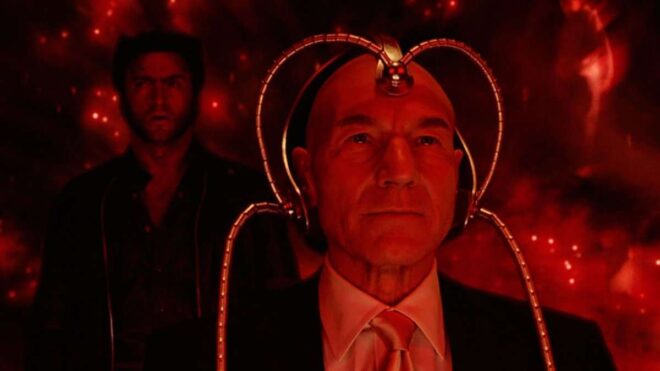
20th Century Fox / PR-ADN
Patrick Stewart’s decision to portray Charles Xavier in the X-Men film series marked a pivotal moment in his career. The factors that influenced his choice offer insight into both his personal motivations and the enduring appeal of the character.
TL;DR
- Professor X embodies committed activism for mutant rights.
- Patrick Stewart accepted the role for its social message.
- X-Men stories highlight moral ambiguity and imperfect heroes.
From Reluctance to Advocacy: Patrick Stewart’s Professor X
While many associate Charles Xavier, or Professor X, with formidable psychic powers, it’s his unwavering commitment to social justice that truly defines him. As founder of the iconic Xavier’s School for Gifted Youngsters, he transforms lives by welcoming young outcasts and providing a haven where they can embrace their identities. Yet, his efforts go beyond mentorship; Xavier stands as a tireless advocate, seeking recognition and equal rights for mutants within a suspicious world.
The Turning Point: Stewart’s Embrace of Activism
Interestingly, when first approached to portray this legendary figure in the X-Men film franchise, actor Patrick Stewart had reservations. Unfamiliar with both the character and the source material, he questioned whether such a project merited his involvement. Everything changed during a meeting with director Bryan Singer, who presented the mutant narrative not just as superhero spectacle but as an allegory for real-world struggles—minority rights, societal exclusion, and coexistence. Stewart has since revealed in an interview with Smithsonian Magazine that it was only after grasping this underlying theme of peaceful advocacy that he agreed to join the cast.
Moral Dilemmas and Rivalries: Xavier Versus Magneto
Central to the X-Men saga is the fraught ideological divide between Xavier and his former friend-turned-adversary, Magneto. Where Magneto chooses confrontation—even violence—Xavier persists in championing dialogue and reconciliation. This tension creates profound drama, eschewing clear-cut morality in favor of nuance. As director Singer succinctly explained to Stewart: “There will be two camps. Magneto wants force; Xavier seeks another path.”
Yet even Professor X’s choices are not immune to scrutiny. For instance, in “Immortal X-Men #10,” penned by Kieron Gillen, Xavier candidly admits to selectively aiding others based on strategic interests—a frank acknowledgement of his own fallibility.
A Universe Rich with Paradox and Reflection
Ultimately, the world of the X-Men resists simplistic narratives or flawless heroes. Several factors explain this complexity:
- Their idealism often collides with morally ambiguous decisions.
- Internal doubts and conflicts shape team dynamics.
- Even their leaders—Professor X included—are revealed as deeply human in their missteps.
Such storytelling elevates the saga beyond standard heroics. It becomes a subtle reflection on society’s enduring flaws and contradictions—reminding us that even those striving for justice can struggle with imperfect choices along the way.